Personal Pharma

Research, UX

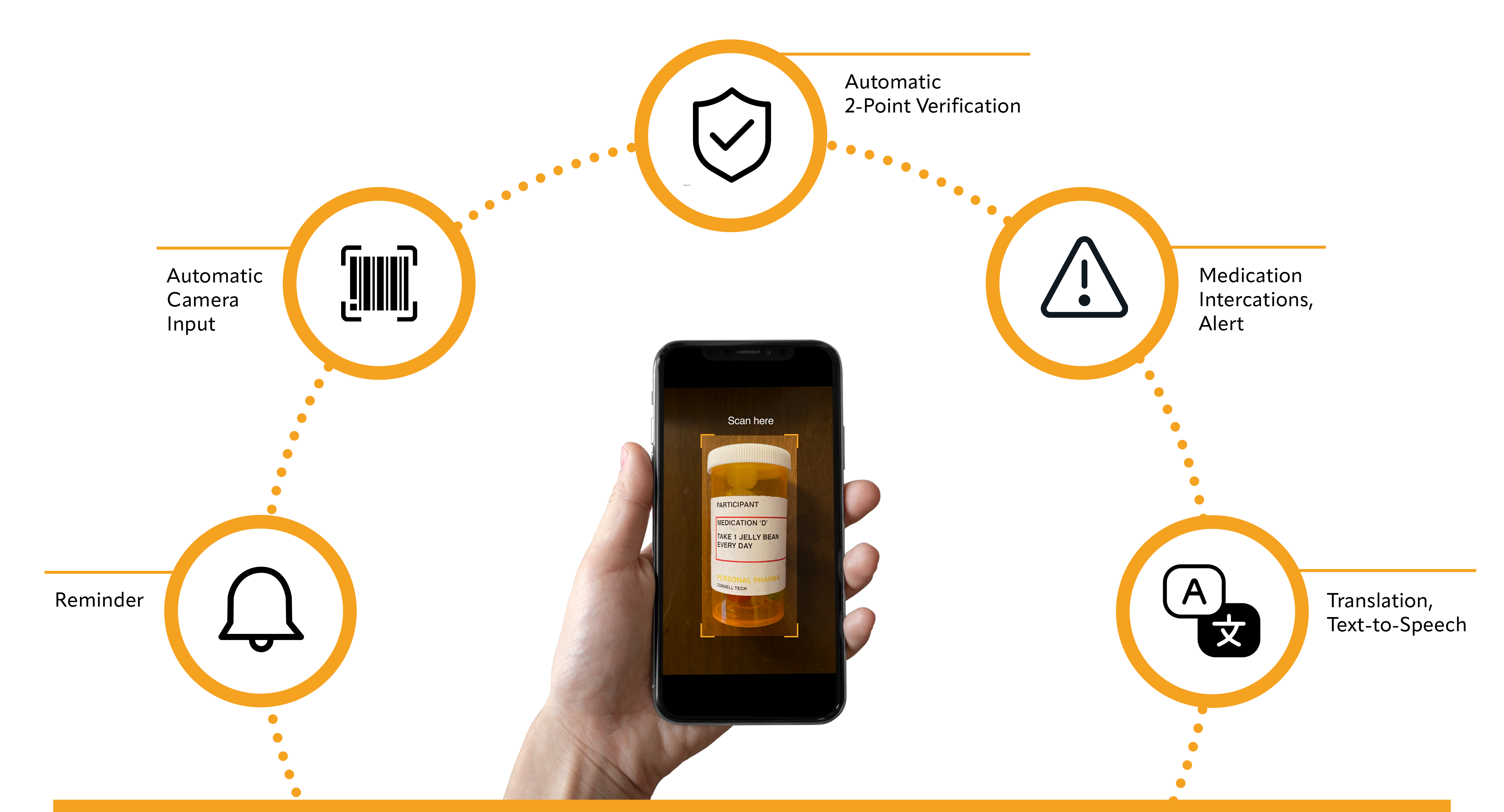
Personal Pharma will give patients and their caregivers a tool that ensures medications are taken correctly and consistently, while being mindful of the users' literacy level and preferred language. Personal Pharma combines translation, text-to-speech, medication profiles, and personalization features for users to take their medications with little mistake or delays.

COURSE

Cornell Tech Product Studio
(Author by Humana)

PROJECT DURATION

Aug 2021 – Dec 2021

TEAM MEMBERS

Brett O'Connor (ECE)
Harshitha Arul Murugan (CS)
Marta Anna Jansone (CS)
Min Heong Hong (Parsons)
Pamela Capellan (MD/MBA)

MY ROLE

Research
Interview
Experiment
Design

Challenge
How might we help elderly people manage their health in their homes?
Interviews

Hard to keep track of all of them. I often forget if I even took my pills some days. Sometimes I end up not taking my pills at all.

My husband and I have so many medications now and it is hard to keep track of all of them. I have to make sure I am very thorough in checking which pills are which medicine. That’s only half the problem, I often forget if I even took my pills some days, so instead of potentially re-taking my medicine, sometimes I end up not taking my pills at all.

– Ada Fields, 87

Organizing the medications is difficult.

Older adults may have multiple prescribers and trouble with handling medications. Organizing the medications is difficult, pill boxes can be confusing, and the tiny fonts on the bottles add to the issue.
– Dr. Karin Ouchida, WCM, Geriatric Specialist
Research
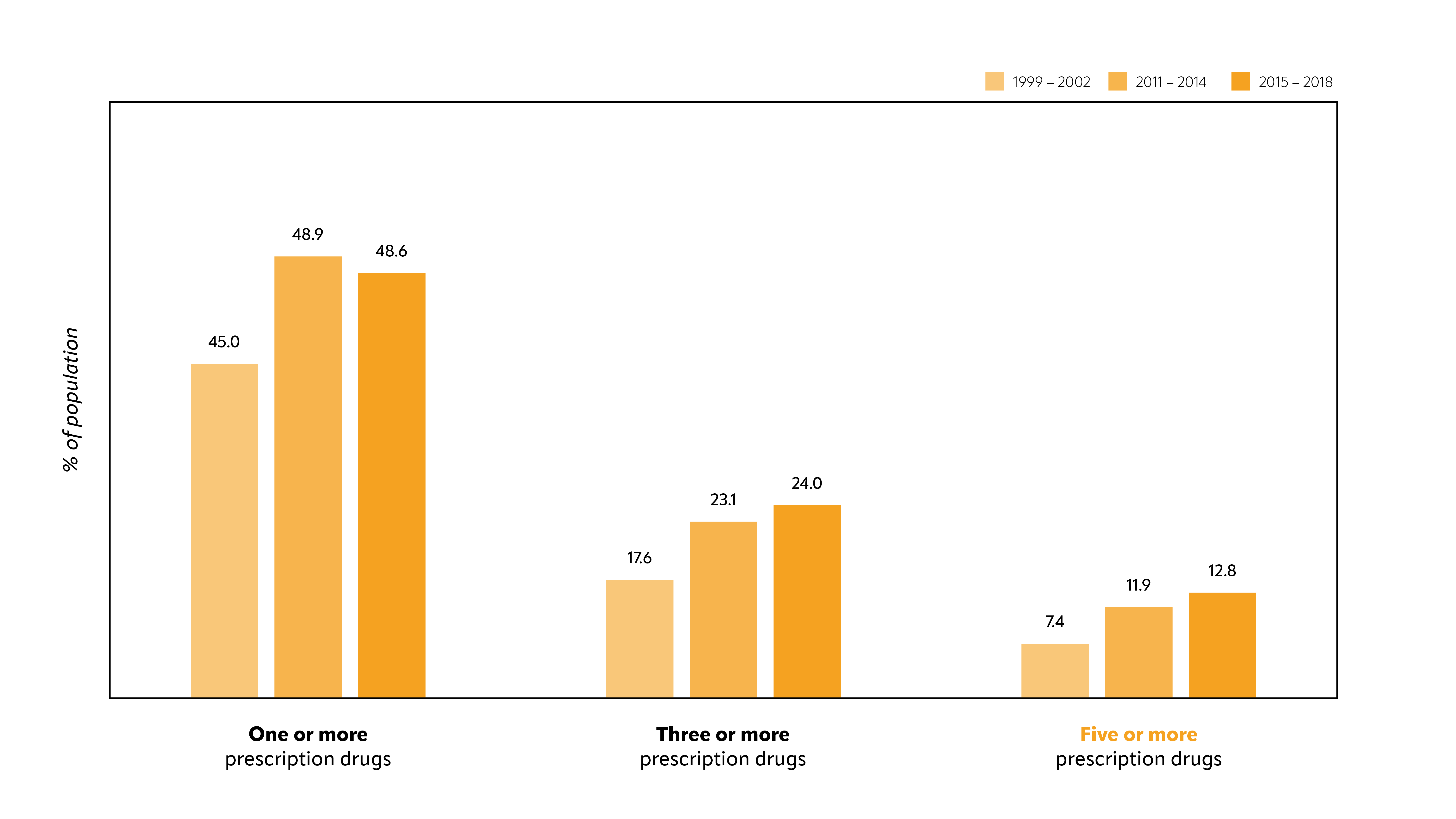
Reported monthly prescription drug use in the United States
(Source: CDC)
Medication Misuse Statistics in the US
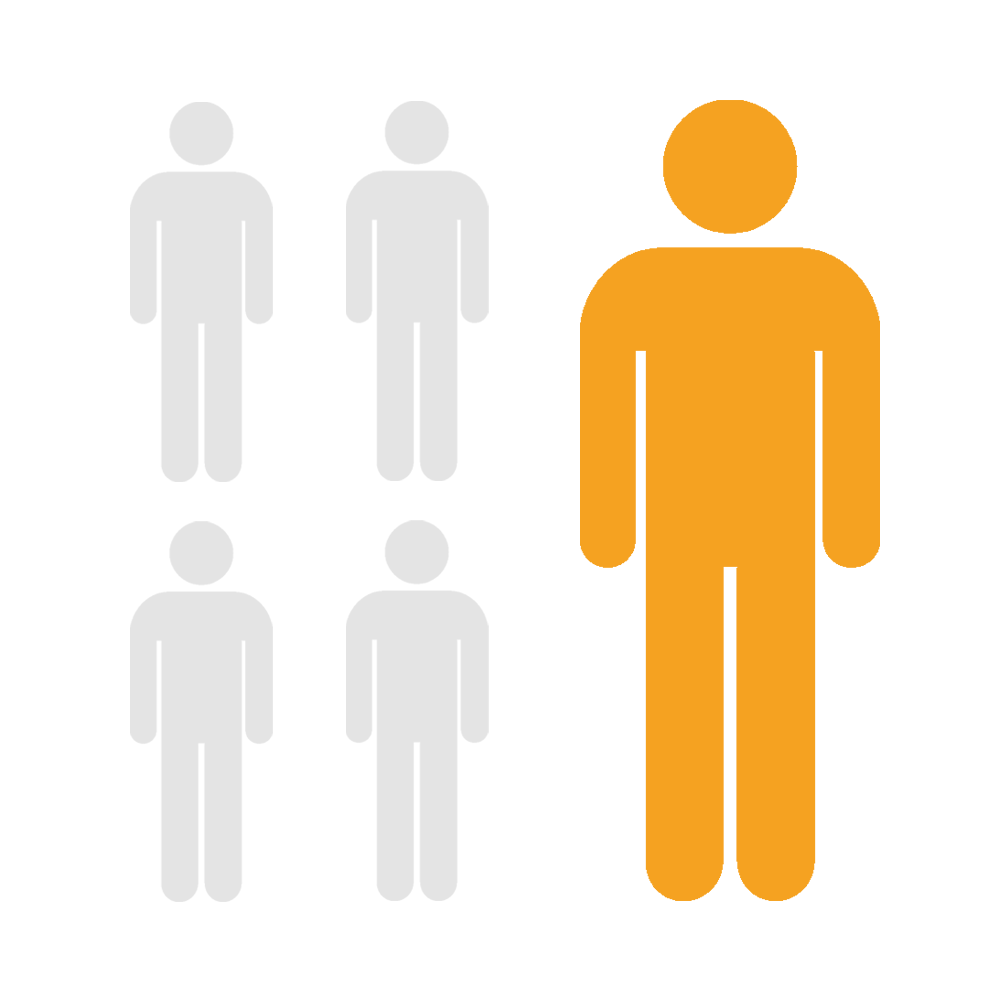
1 in 5 adverse drug events caused by error were related to patient use of medications in the home.
(Source: The Journal of the American Medical Association, 2003)
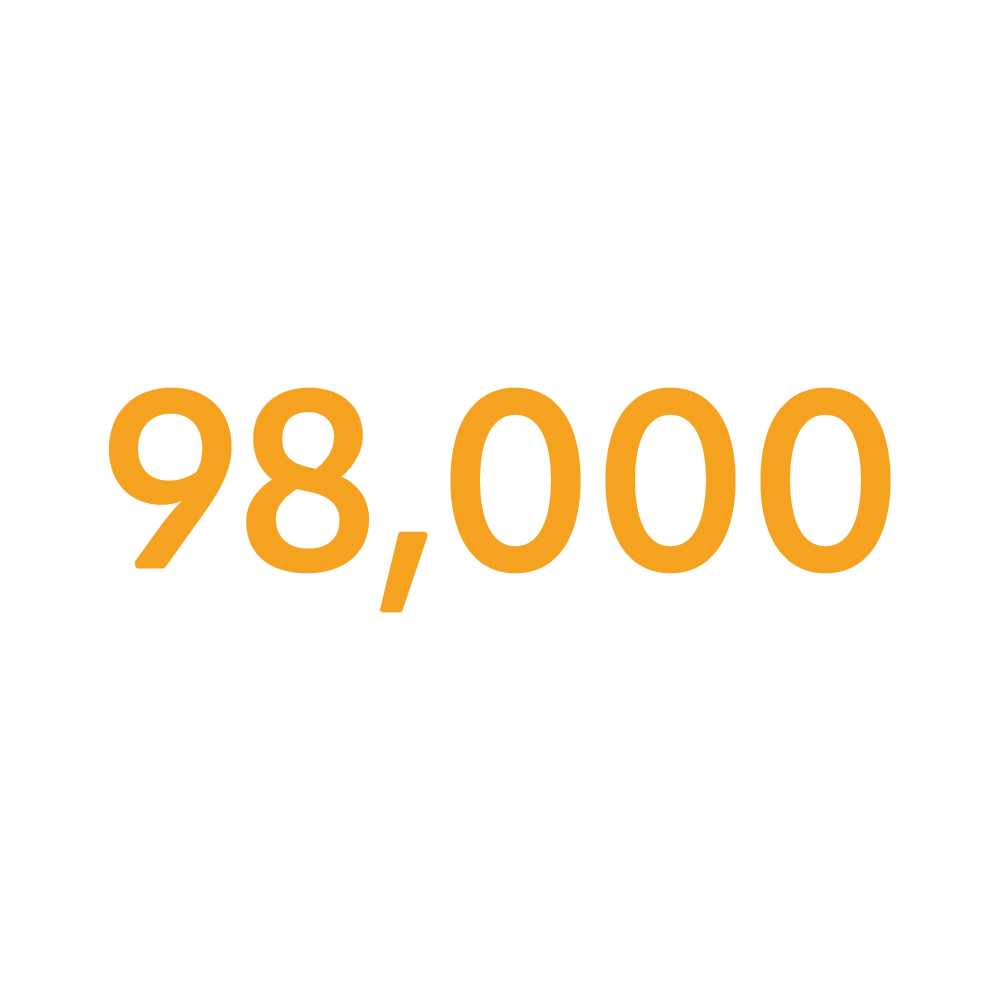
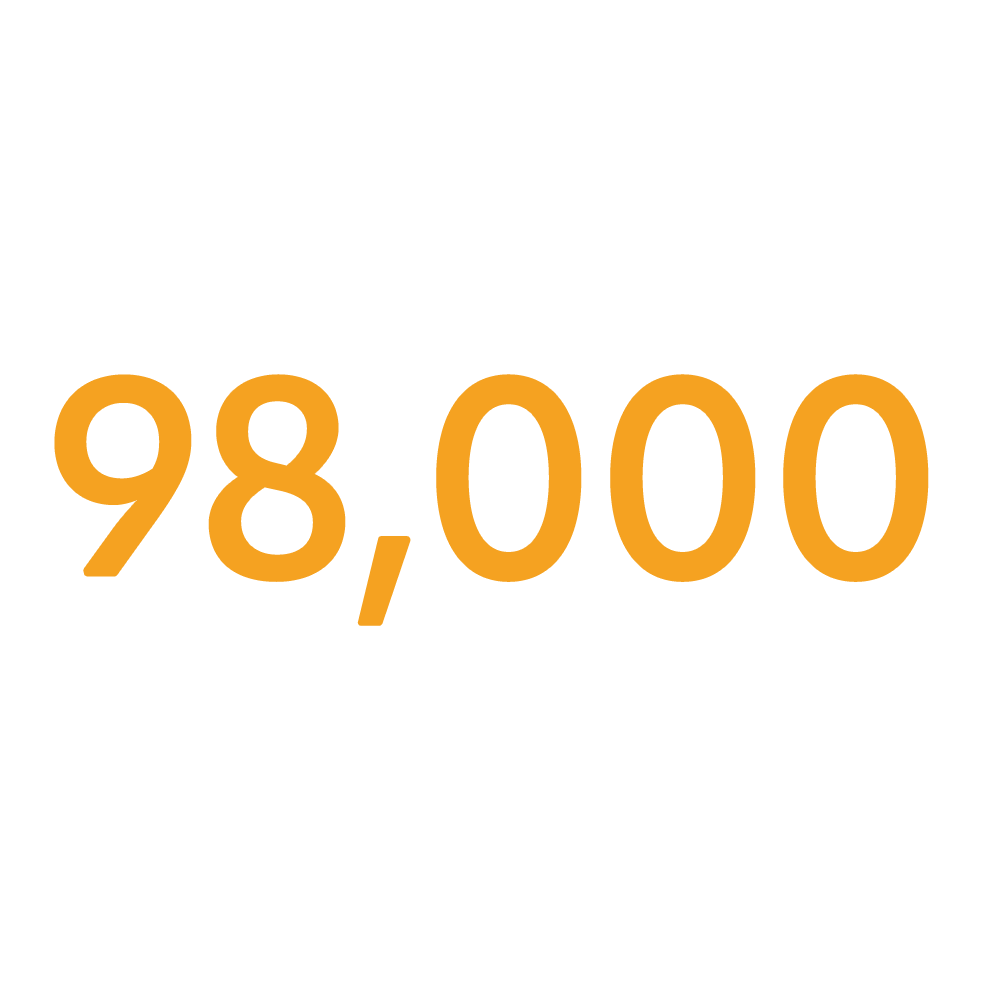
Medical errors of all kinds claim around 98,000 Americans lives each year and are the eighth leading cause of death in the United States.
(Source: DataRay, 1999)
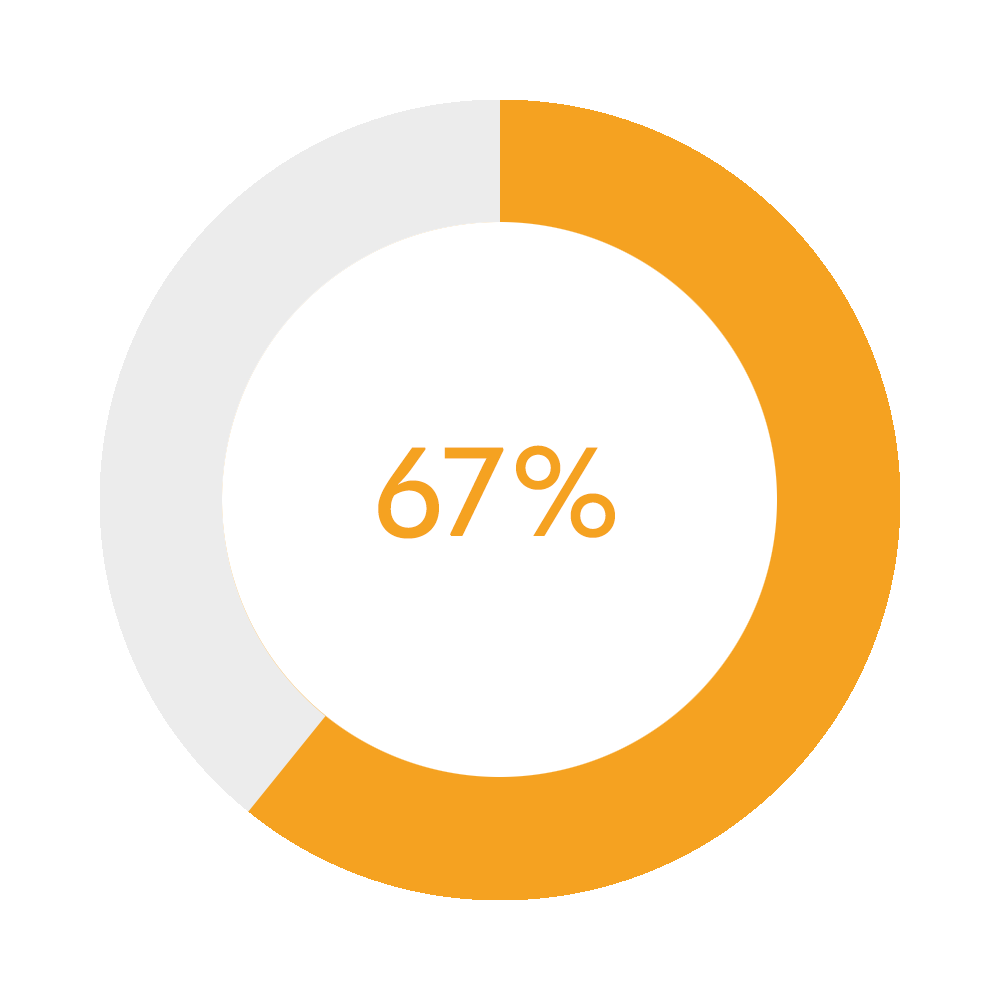
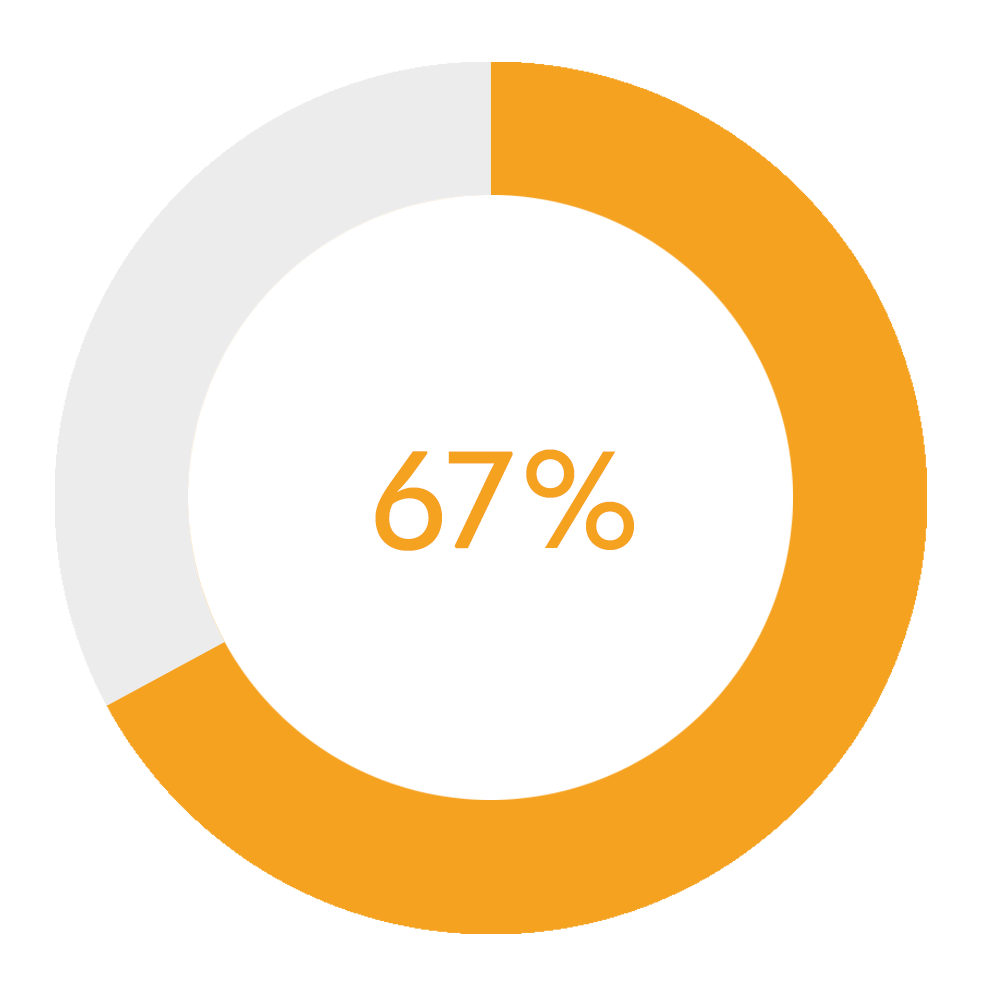
Only 67% of parents were able to accurately repeat back medication use instructions. 
(Source: Pediatrics, 1998)
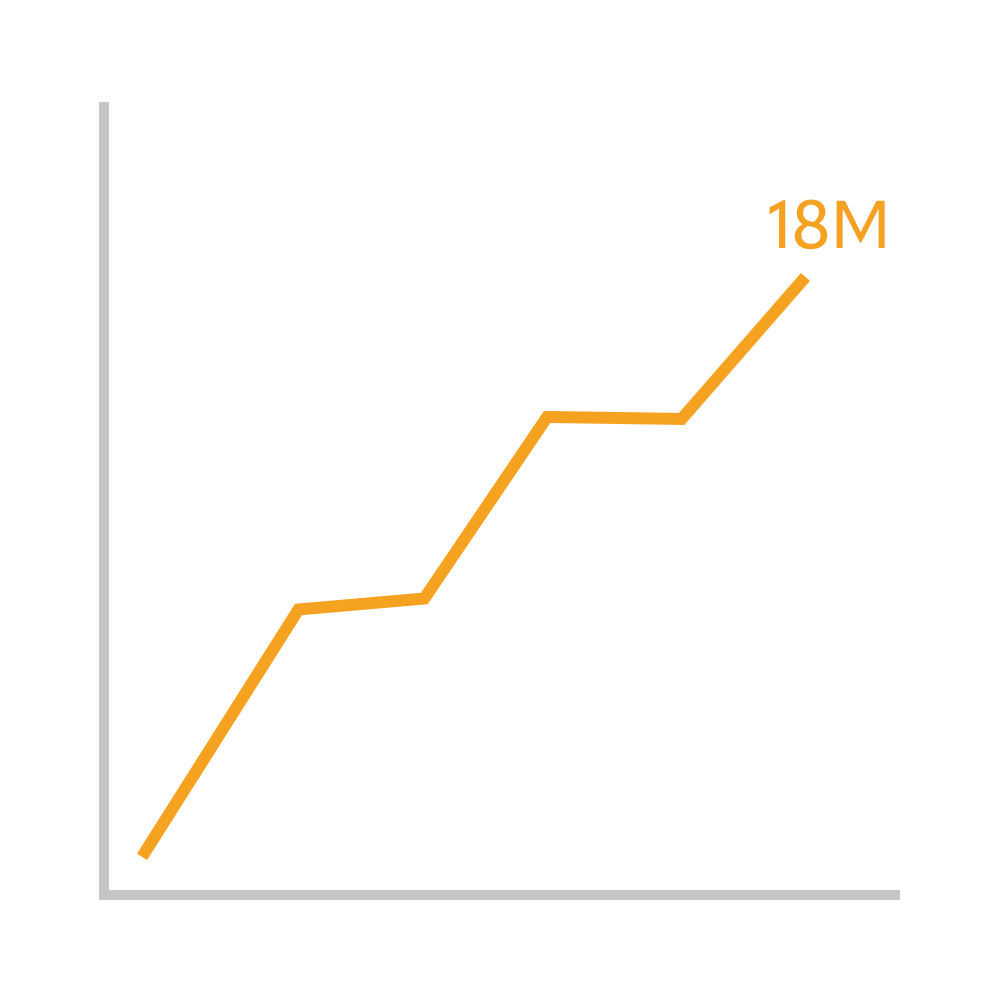
As many as 18 million people aged 12 or older may misuse prescription psychotherapeutic drugs every year.
(Source: NSDUH Data Review, 2015)
1 in 5 adverse drug events caused by error were related to patient use of medications in the home.
(Source: The Journal of the American Medical Association, 2003)
Medical errors of all kinds claim around 98,000 Americans lives each year and are the eighth leading cause of death in the United States.
Only 67% of parents were able to accurately repeat back medication use instructions. 
As many as 18 million people aged 12 or older may misuse prescription psychotherapeutic drugs every year.
(Source: DataRay, 1999)
(Source: Pediatrics, 1998)
(Source: NSDUH Data Review, 2015)
Problem

Every day new medications are developed to manage our conditions and keep our population living longer. With more pharmaceutical products on the market, many find themselves managing multiple health conditions, sometimes missing or confusing medications.
Solution
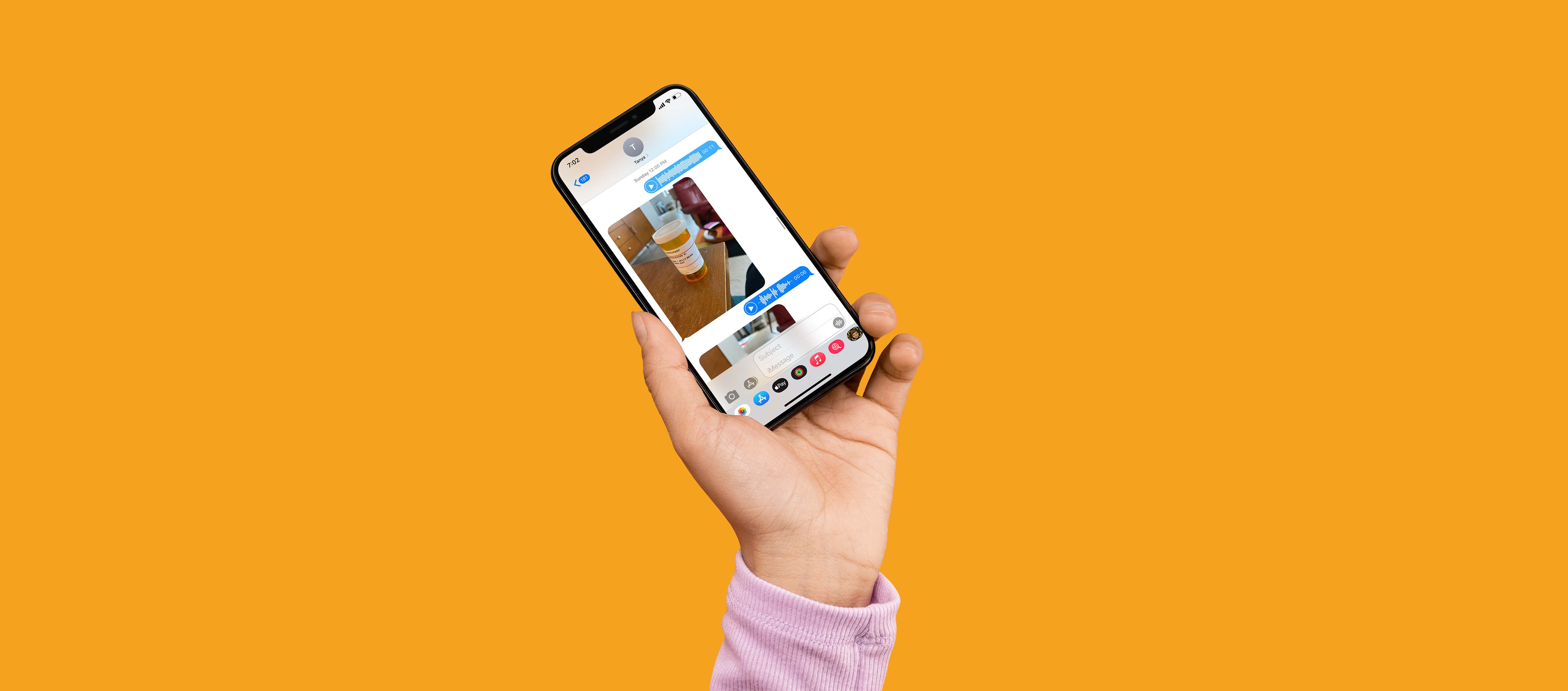
Personal Pharma is available as an app and hardware device that scans prescriptions, verifies the medication, and reads out the instructions to its users. It reminds you to take your medications on time and accurately in your preferred language.
Risks
Risk #1  Complicated and exhausting verification for the user with multiple medications
Objective of experiment: Test to see how the number of medications will affect users using the product in the verification process. We want to detect whether the verification process is too exhausting for the users and if it takes too much time. 
Hypothesis: Compared to the group of individuals taking ≥ 5 medications daily, the group taking <5 medications daily will have a higher percentage of people adhering to their medication.
Risk #2  A single reminder is not sufficient for the user to take their medication
Objective of experiment: To determine the number of reminders that is most successful in getting users to take their medications consistently and on time.
Hypothesis: Compared to the group of individuals receiving a single reminder, the group receiving a reminder every 15 min will have a higher percentage of people adhering to their medication.
Experiment Demonstration

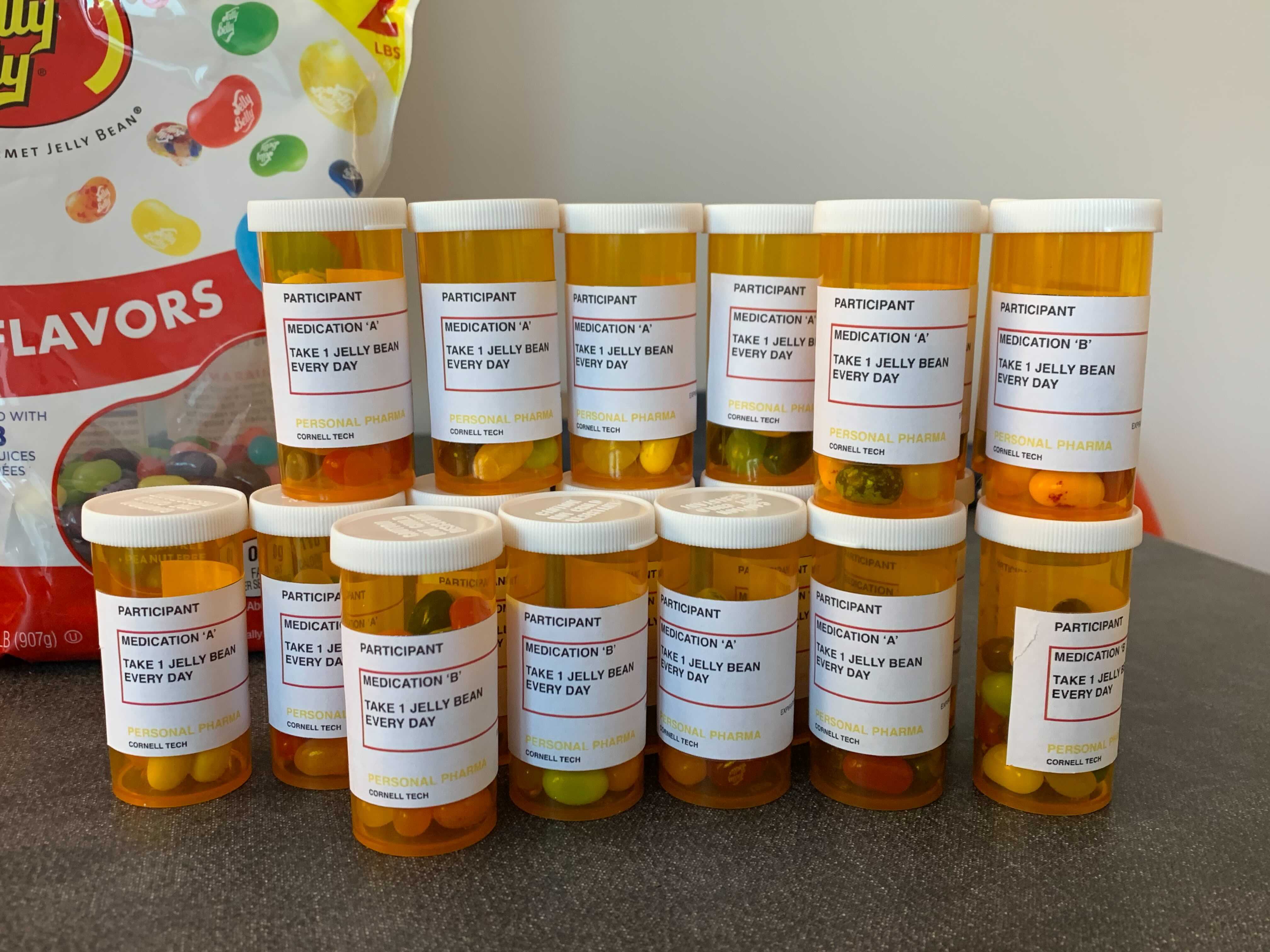
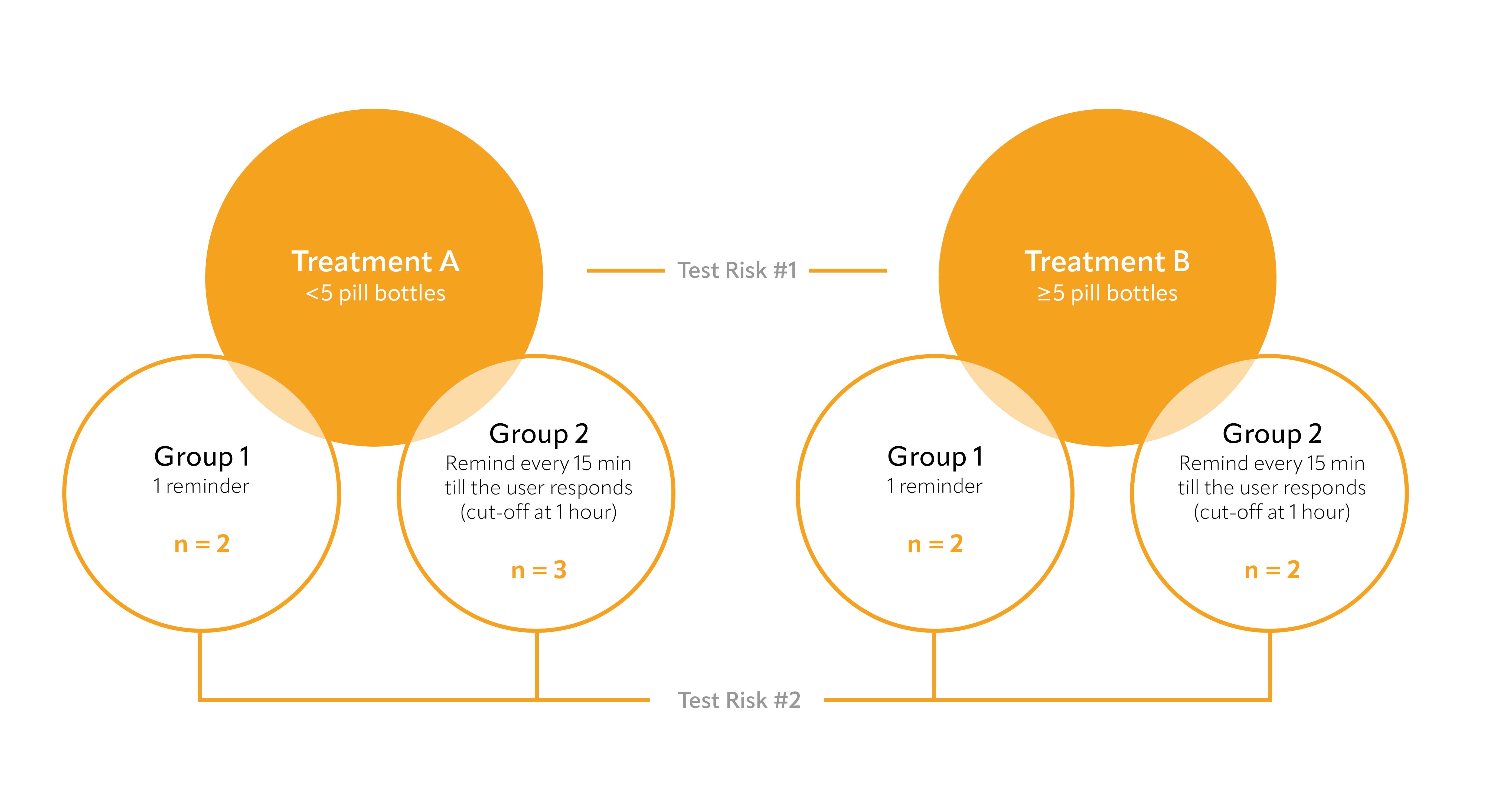
I designed mock pill bottle labels in order to figure out if verifications and reminders are helpful and motivate participants to take medications on time. We attached the labels on pill bottles filled with jelly beans, and randomly assigned participants to four groups:

1A   < 5 medications with 1 reminder
2A
 < 5 medications with multiple reminders (every 15 min; Max 1 hr)
1B   ≥ 5 medications with 1 reminder 
2B
 ≥ 5 medications with multiple reminders (every 15 min; Max 1 hr)

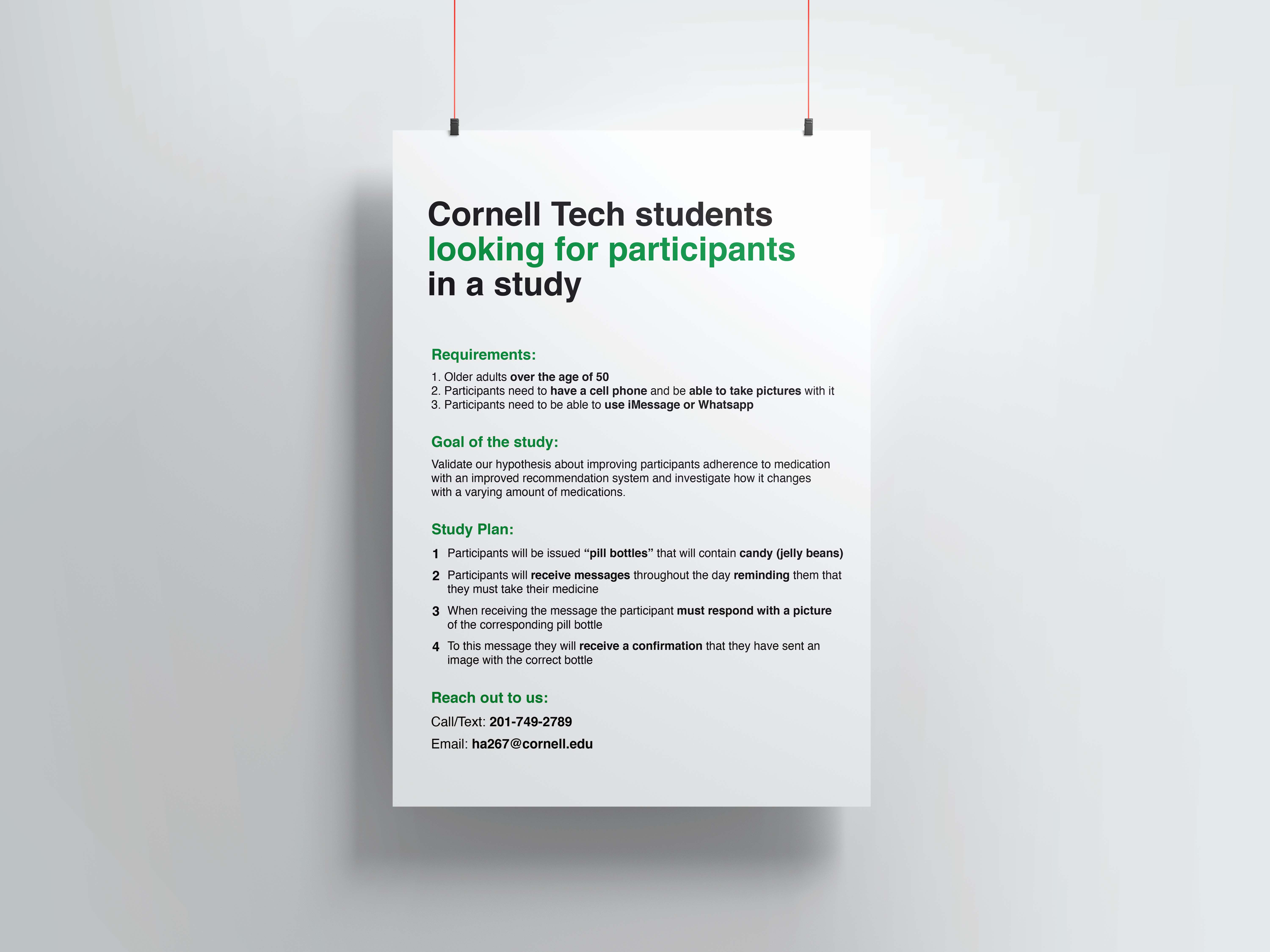
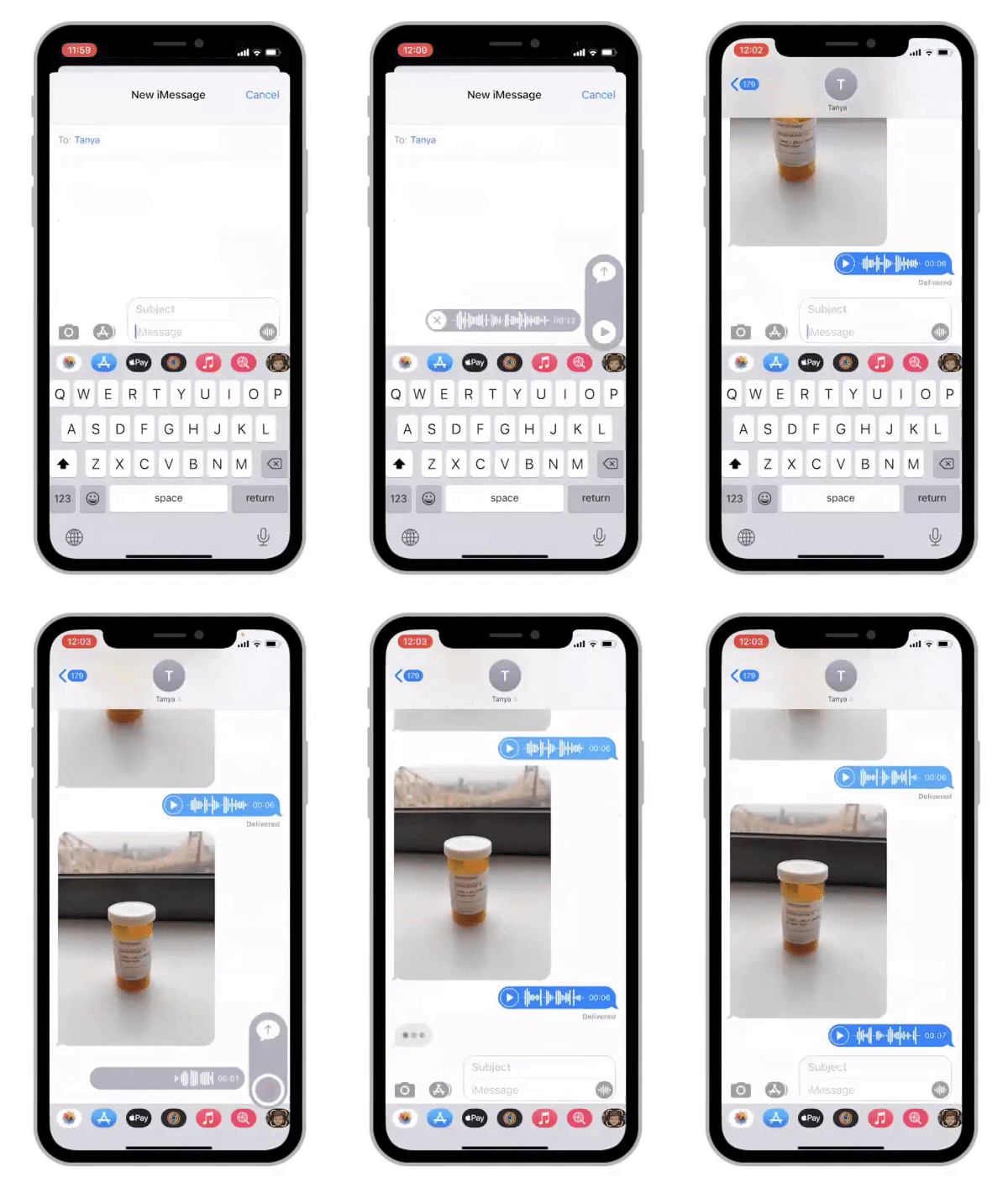
To recruit participants, I designed a flyer with large text for older adults to read easily. Then, our team sent it to Roosevelt Island Senior Center to find appropriate participants: people who are over 50, have smartphones, know how to take a picture, and use iMessage or WhatsApp. We used messenger apps (iMessage and WhatsApp) as MVP(Minimum Viable Product).
Experiment Design
Duration: 5 days / Total participants: 9
Process
MVP: Messenger Apps
STEP 1
Personal Pharma reminds the patient of their due medication
STEP 2
User sends a photo of the pill bottle
STEP 3
Personal Pharma confirms if the medications are correct to take
Result
1A
< 5 pill bottles
1 reminder
Participant
Response
Rate
1B
≥ 5 pill bottles
1 reminder
2A
< 5 pill bottles
Multiple reminders
2B
≥ 5 pill bottles
Multiple reminders
Picture
Response
Accuracy
GOOD
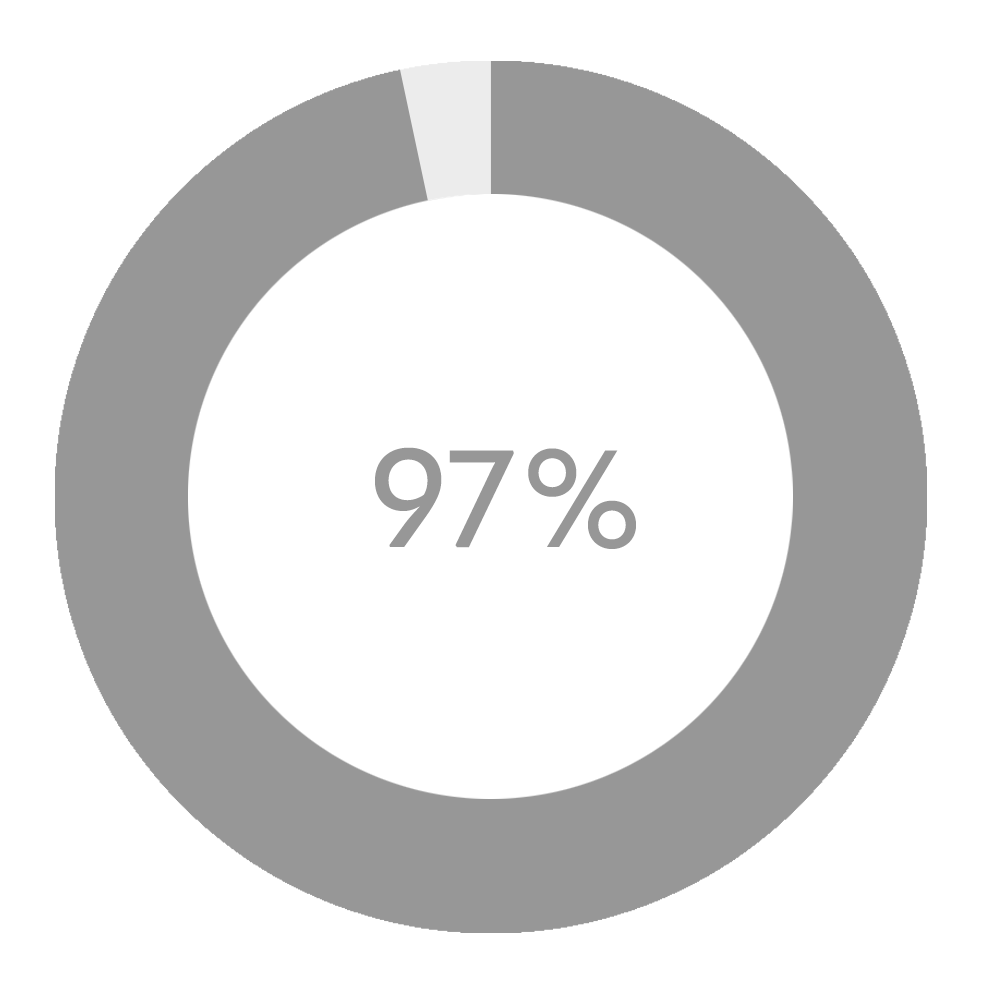
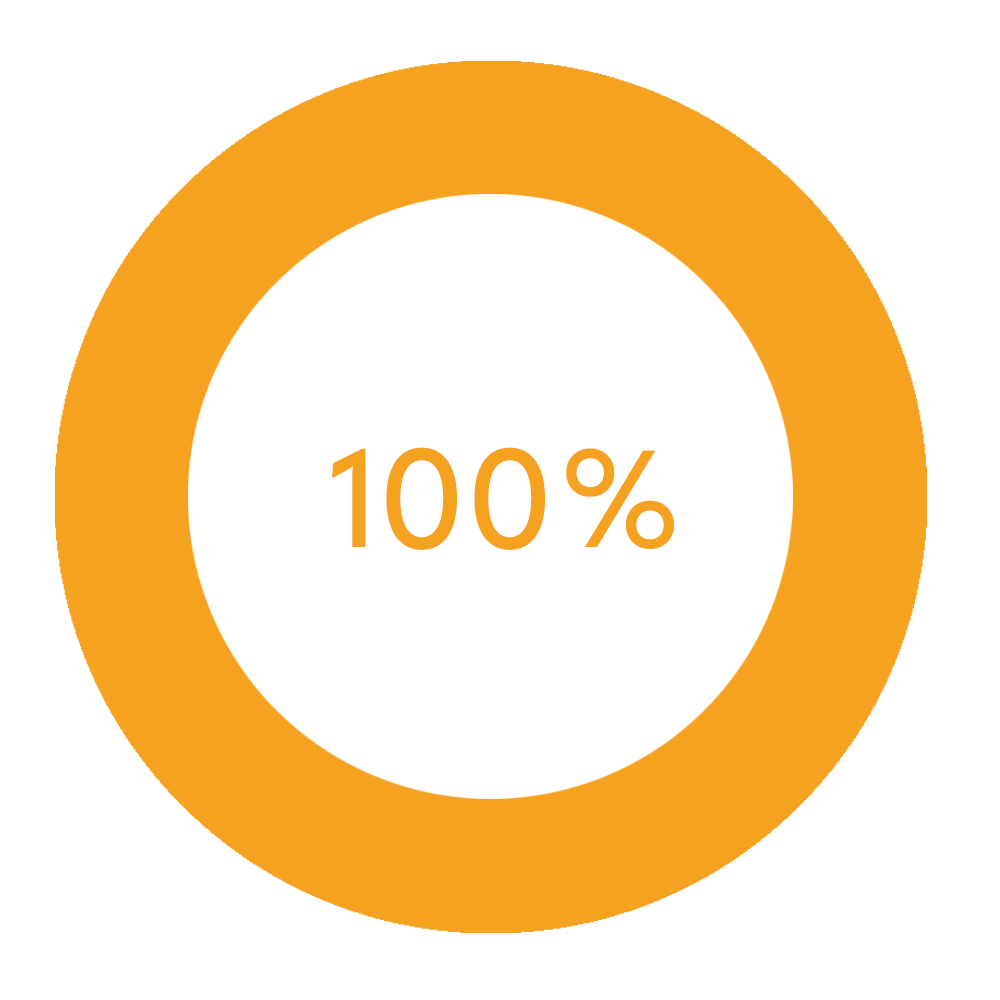
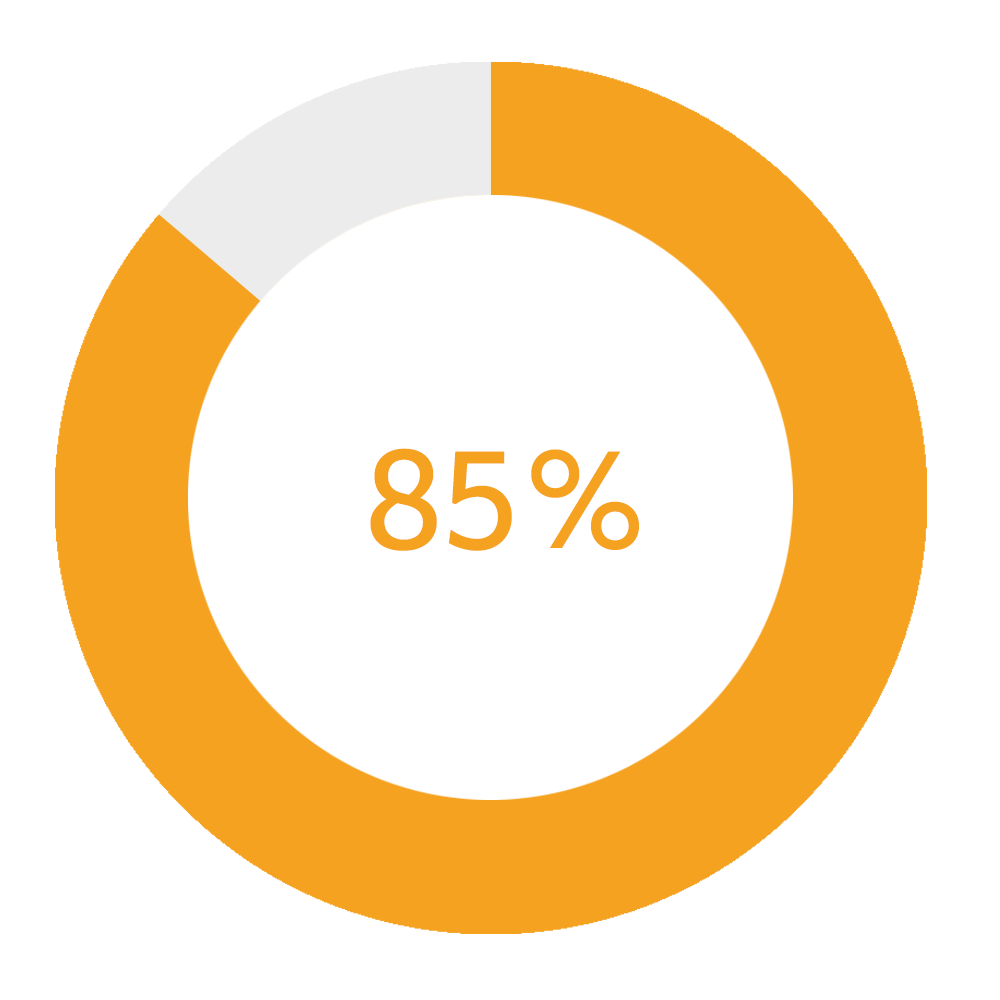
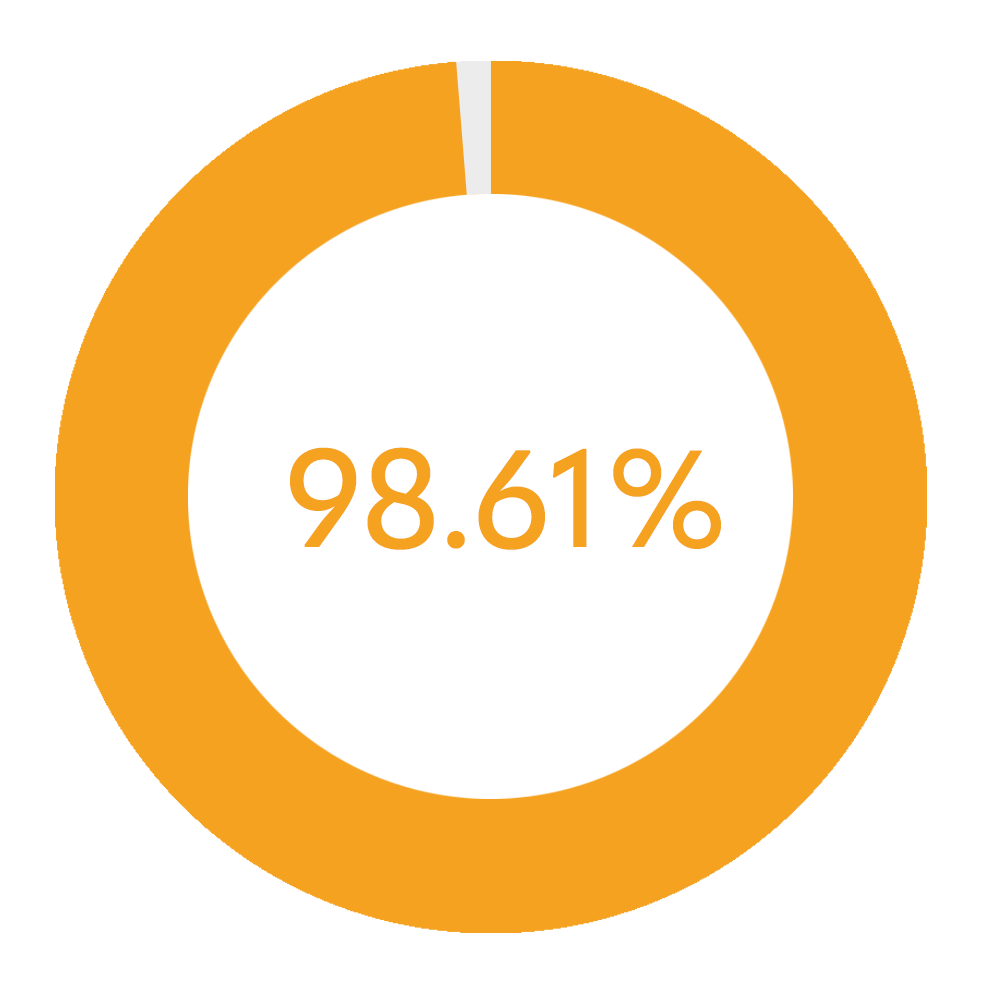
For all treatments group, > 85% response rate and accuracy
Multiple medications did not have worse response rates or accuracy.
Participants found the process to be easy
Participants appreciated the reminders
BAD
Lower than expected desired sample size
Experiment timing (Thanksgiving)
Short-time frame (5 days)
Participant scheduling conflicts 
Maker Day Presentation
Other Projects